Trieste, Italy
4 Autumn Days in Trieste: Where Coffee, Literature, and the Sea Meet
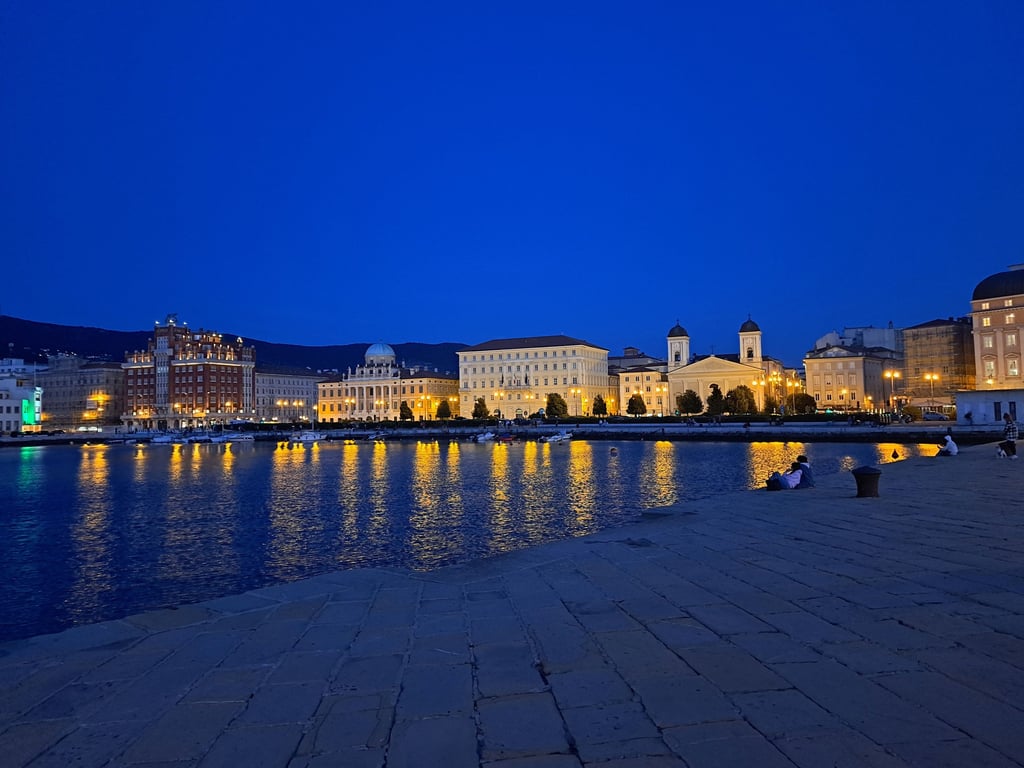
A literary port city by the Adriatic at the crossroads of cultures
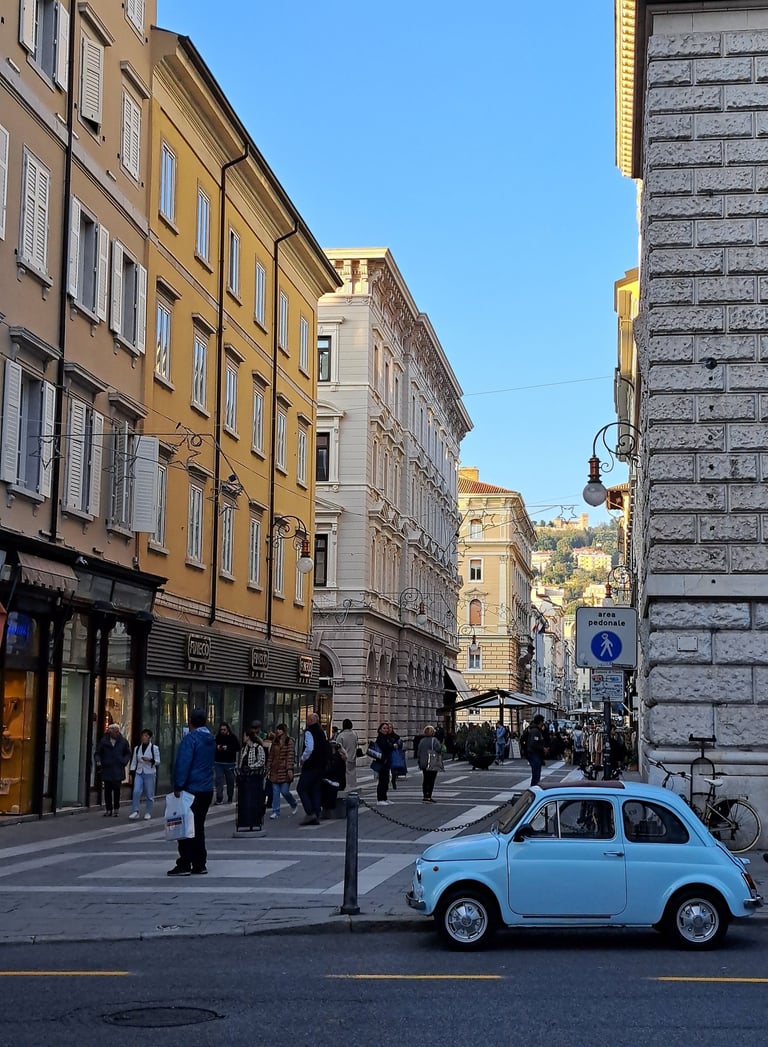
Trieste is a city of crossroads—of cultures, languages, and histories—and our four days there revealed a place unlike any other in Italy. We stayed right in the heart of the city on Viale XX Settembre, a lively central avenue that made it easy to explore Trieste on foot, from elegant squares to the shimmering Adriatic coast.
Historically, Trieste has always been a bridge between worlds. Once the main port of the Austro-Hungarian Empire, the city blends Italian, Austrian, and Slavic influences in its architecture, cuisine, and atmosphere. This unique background also shaped its intellectual life: famous writers such as James Joyce, Italo Svevo, and Umberto Saba lived and worked here, finding inspiration in Trieste’s cafés and its slightly melancholic, reflective mood.
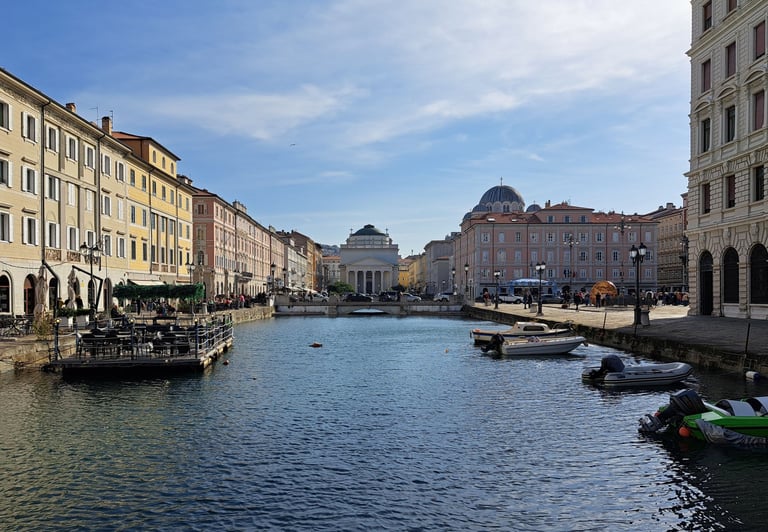
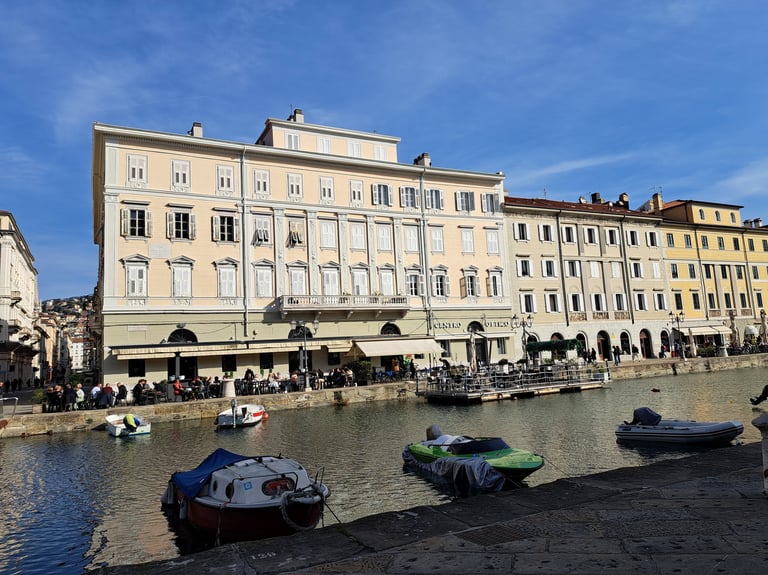
We began our explorations in the Borgo Teresiano neighborhood, with its orderly streets and grand neoclassical buildings, before strolling along the Canal Grande, where boats rest quietly beside cafés and the impressive Sant’Antonio Nuovo church reflects in the water.
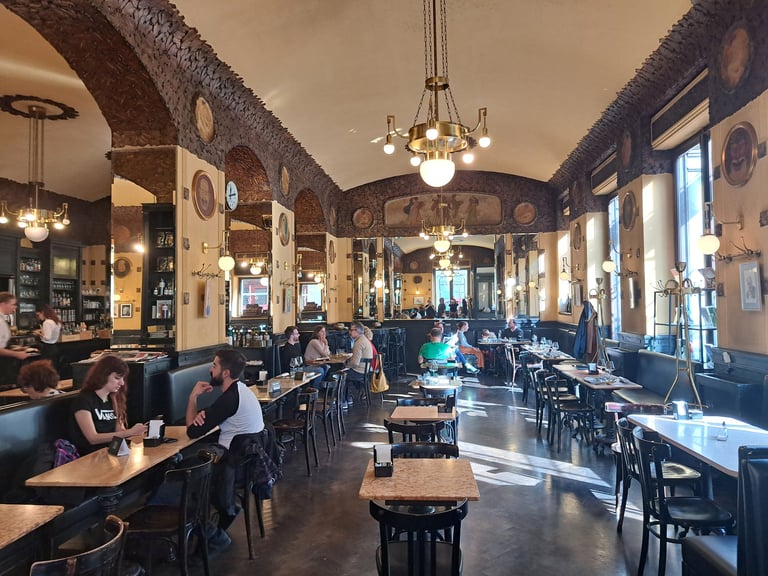
Trieste is famous for its historic cafés, which reflect the city’s Austro-Hungarian past and its deep-rooted coffee tradition. For centuries, Trieste has been Italy’s main coffee port, and coffee here is taken seriously—with its own local vocabulary and rituals. Iconic cafés such as Caffè San Marco, Caffè degli Specchi, Caffè Tommaseo, and Antico Caffè Torinese are more than places to drink espresso: they are elegant meeting spots once frequented by writers, artists, and intellectuals. With marble tables, mirrors, and a timeless atmosphere, these cafés invite visitors to slow down, read, write, and experience Trieste the way its literary figures once did.
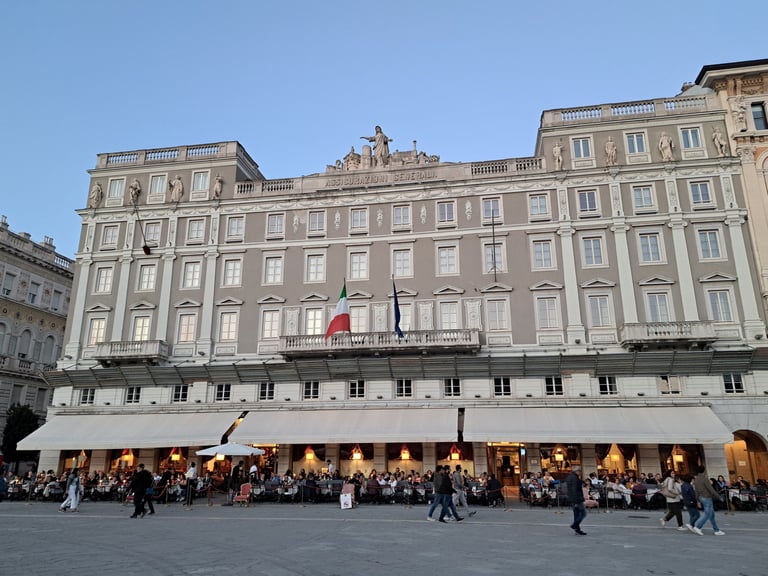
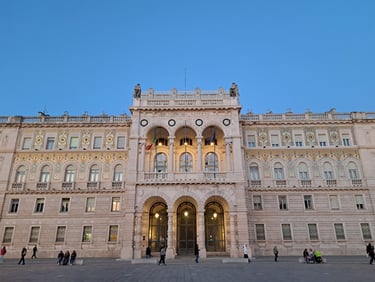
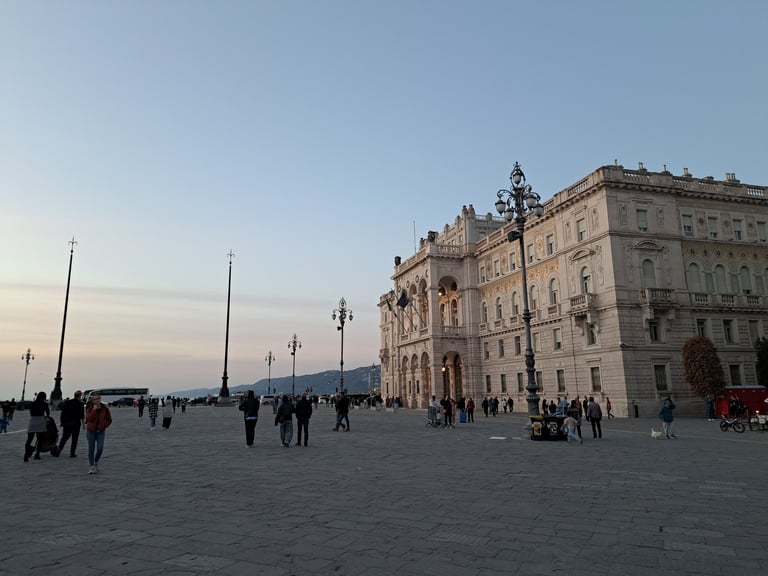
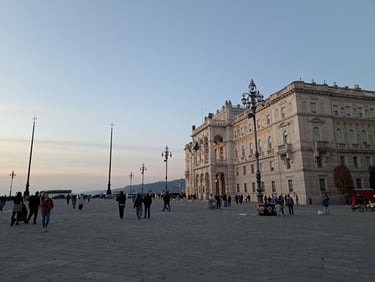
The monumental Piazza dell’Unità d’Italia, opening dramatically onto the sea, quickly became one of our favorite places, especially in the evening light.
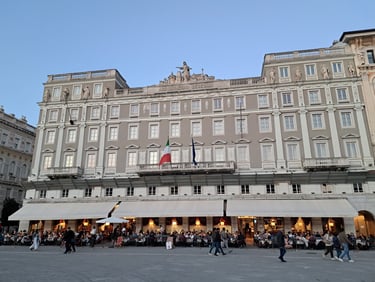
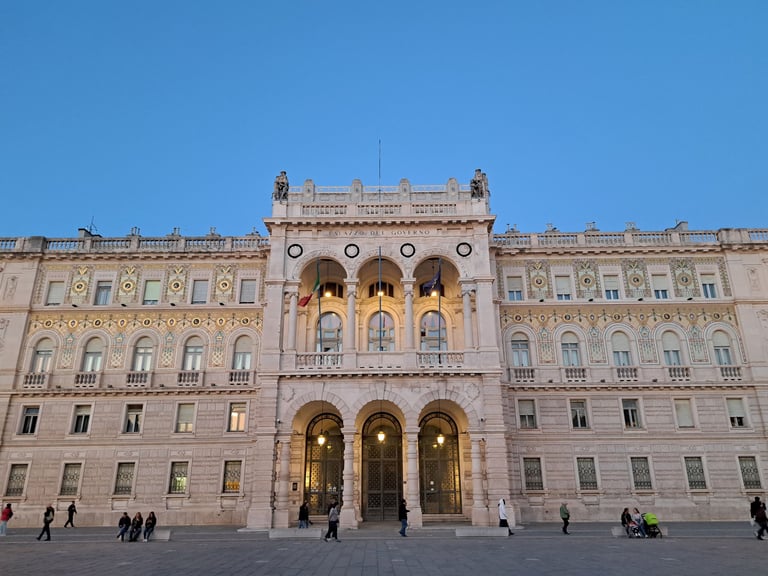
Piazza dell’Unità d’Italia is the monumental heart of Trieste and one of the largest seaside squares in Europe. Surrounded on three sides by grand neoclassical and eclectic palaces and opening directly onto the Adriatic Sea on the fourth, the square reflects Trieste’s past as an important port of the Austro-Hungarian Empire. Originally called Piazza Grande, it was renamed after Trieste became part of Italy following World War I.
At the center of Piazza dell’Unità d’Italia stands the Fountain of the Four Continents (Fontana dei Quattro Continenti), an elegant 18th-century sculpture that symbolizes Trieste’s global connections as a major port city. Created in the mid-1700s, the fountain features four allegorical figures representing Europe, Asia, Africa, and the Americas, each depicted with distinctive attributes linked to their continents. Topped by a figure representing Trieste itself, the fountain celebrates trade, exploration, and the city’s openness to the world—an especially fitting monument in a square that opens directly onto the sea.
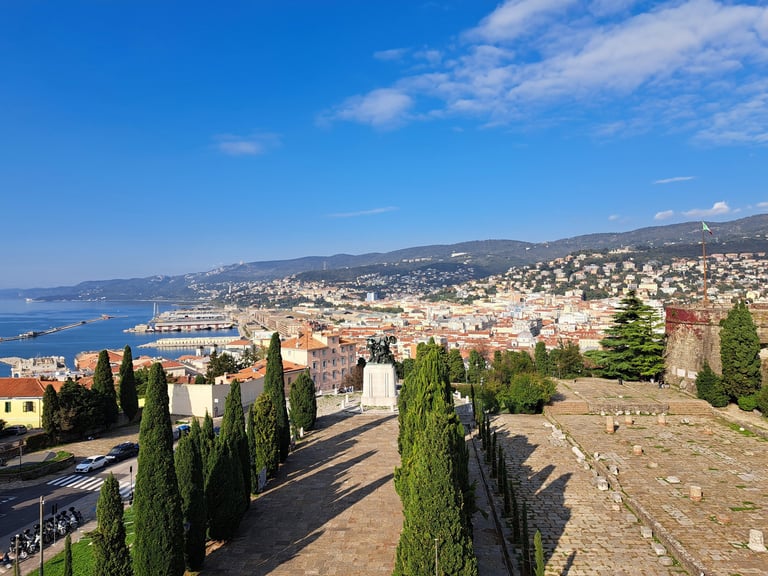
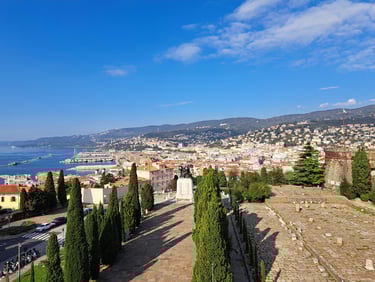
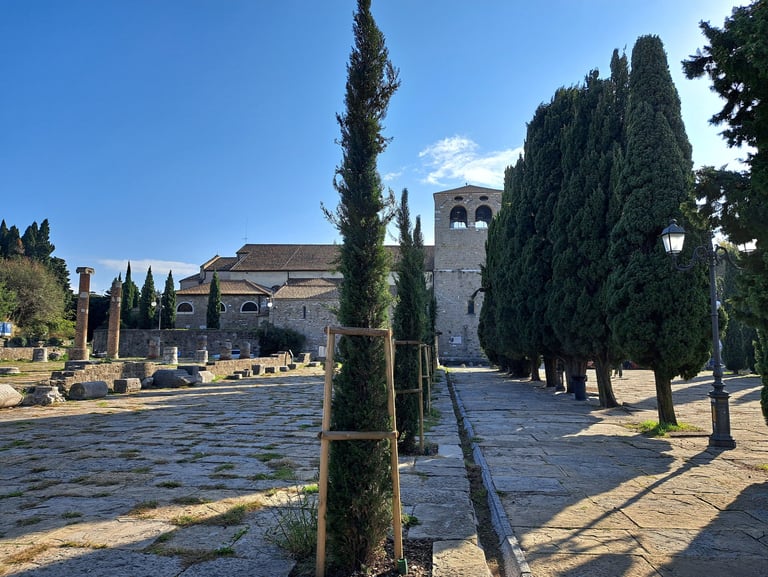
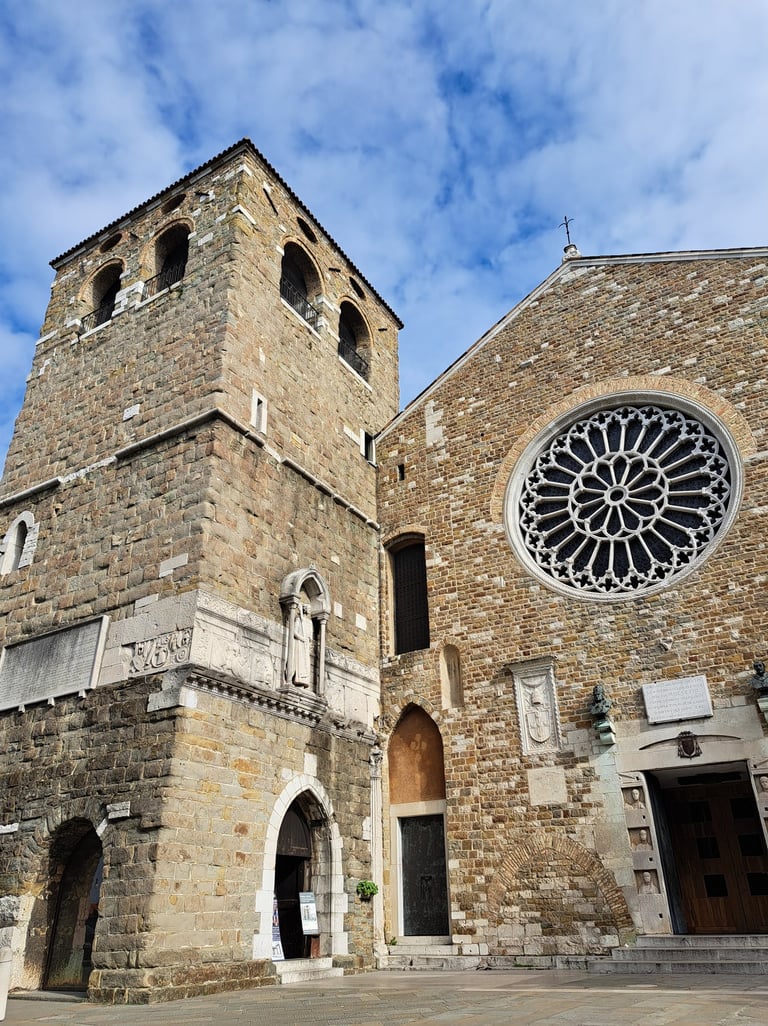
From there, we climbed up to the Cathedral of San Giusto, enjoying both the history of the site and the panoramic views over the red rooftops and the harbor.
Next to the Cathedral of San Giusto, at the highest point of the city, stands the Castle of San Giusto, a powerful reminder of Trieste’s medieval and Habsburg past. Built in the 15th century by the Habsburgs on the remains of earlier fortifications, the castle was designed to defend the city and assert imperial control over this strategic port. Its massive walls and bastions contrast with the religious atmosphere of the cathedral beside it.

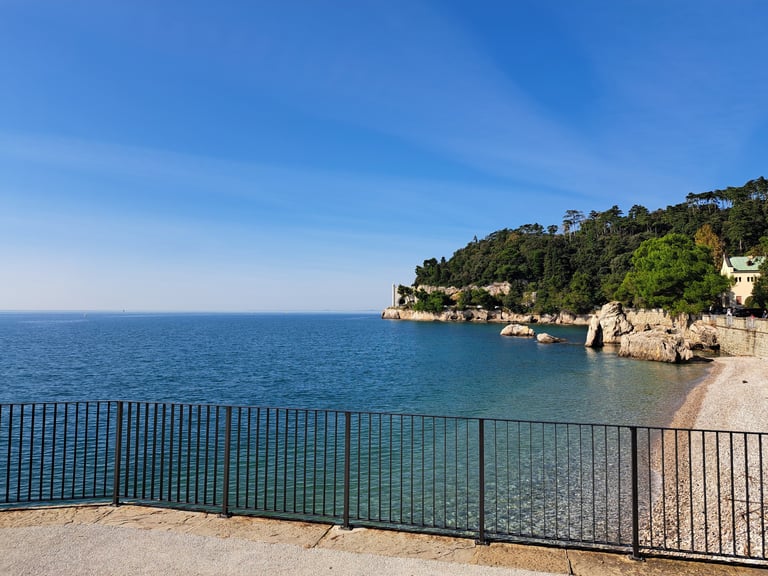
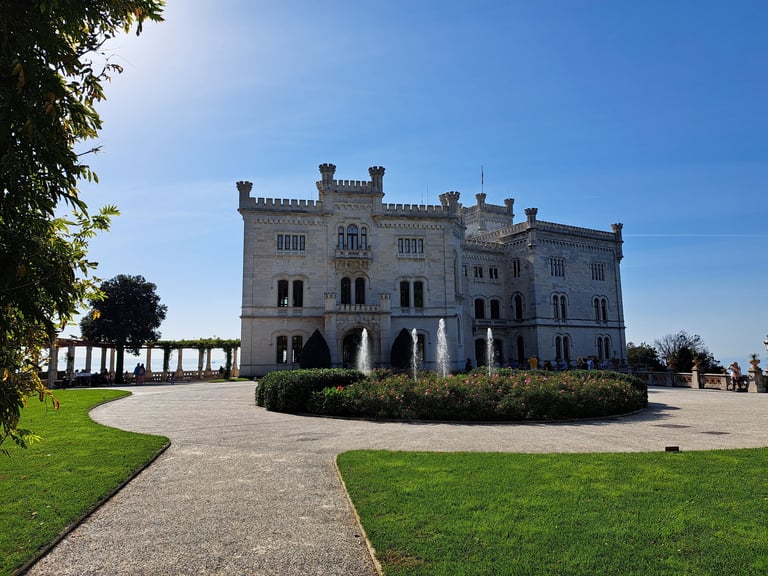
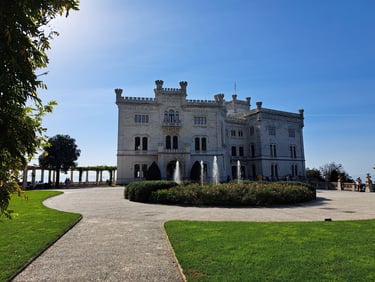
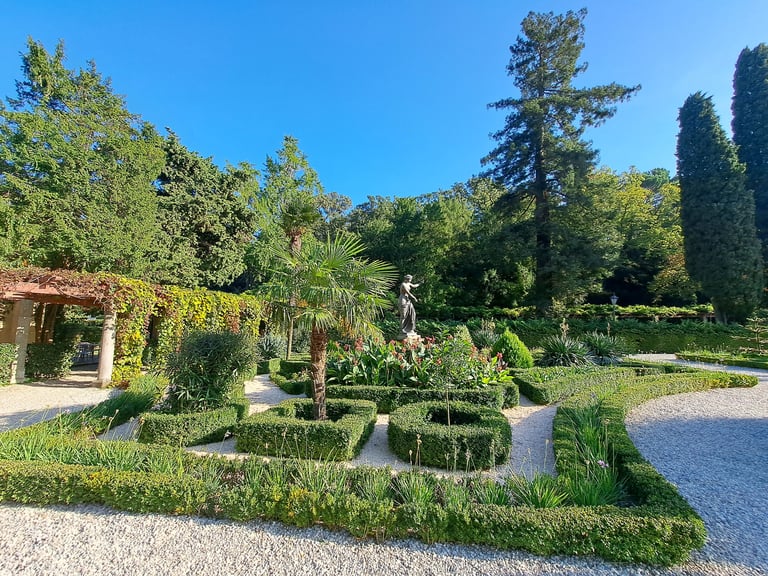
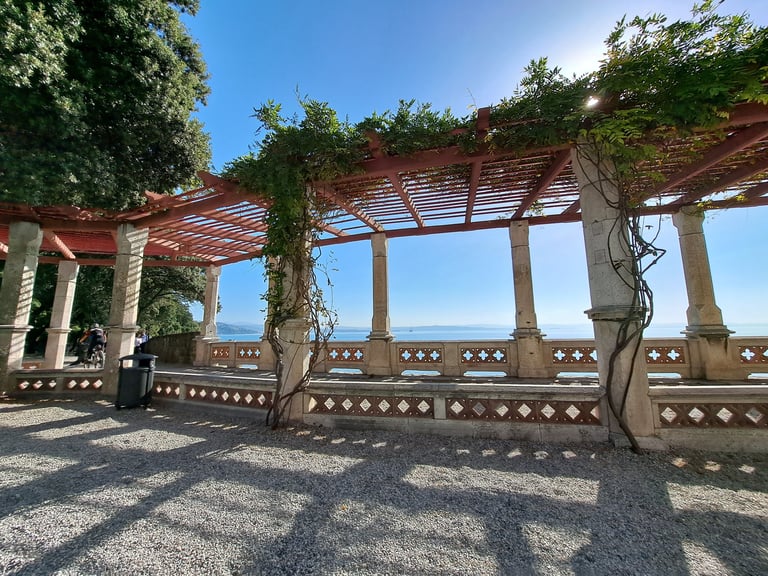
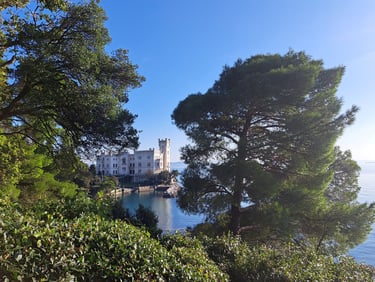
A short trip out of the city by bus N°6 took us to Castle Miramare (www.miramare.cultura.gov.it/en/), a fairytale residence perched above the water, surrounded by peaceful gardens and sea air.
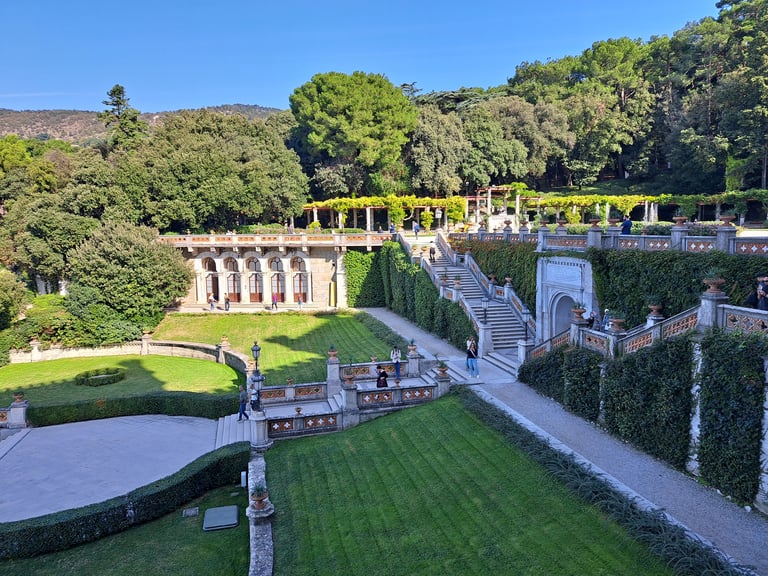
Castle Miramare is one of Trieste’s most iconic sights, dramatically set on a rocky promontory overlooking the Adriatic Sea. Built in the mid-19th century for Archduke Ferdinand Maximilian of Habsburg—later Emperor of Mexico—the castle reflects his love for the sea and his romantic vision of a coastal residence. The bright white stone façade, elegant interiors, and carefully preserved furnishings offer a glimpse into aristocratic life of the Habsburg era. Surrounded by a vast landscaped park with terraces, exotic plants, and sweeping sea views, Miramare feels both grand and serene. Walking through the gardens and along the water, it’s easy to understand why this castle remains one of the most memorable and photogenic places in and around Trieste.


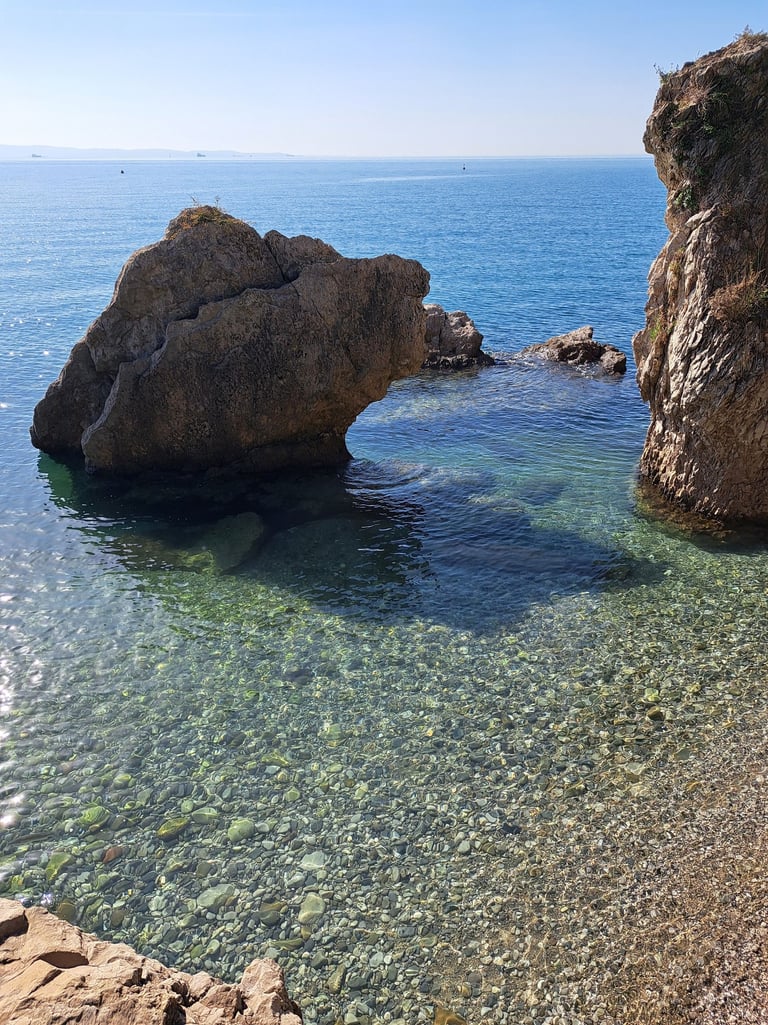
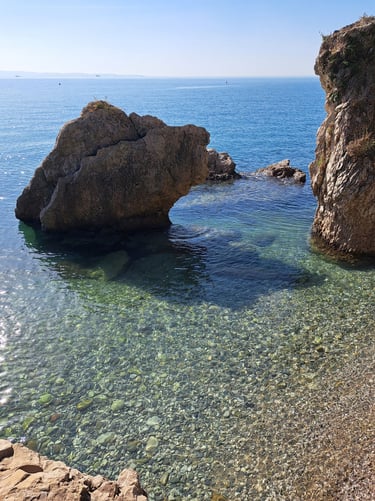
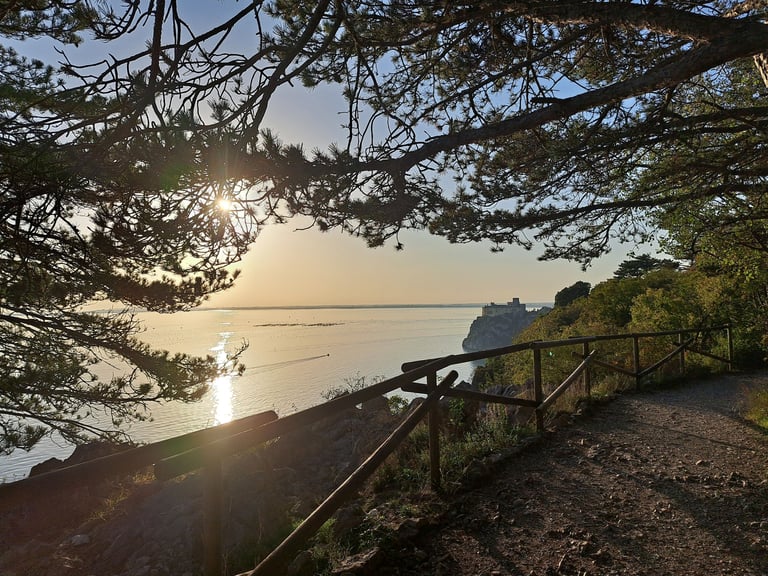
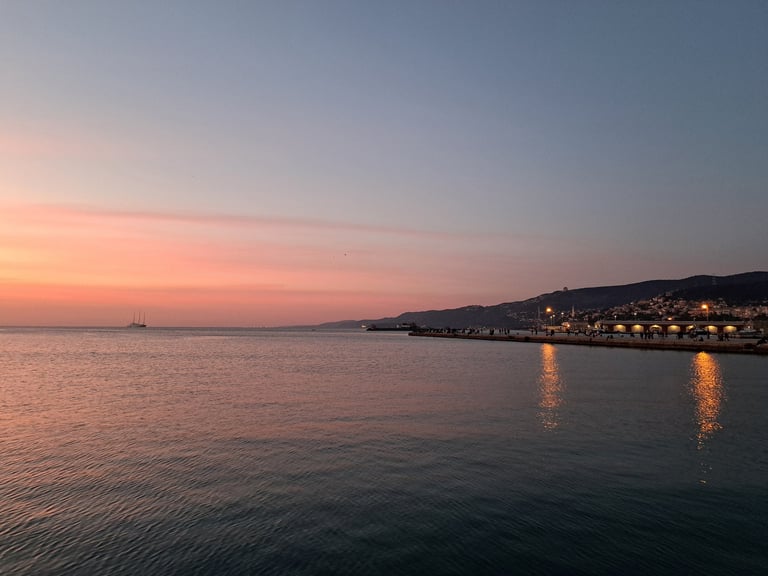
Nature and the coast were never far away. Walking the Sentiero Rilke, high above the cliffs, offered breathtaking views of the Adriatic, while our days often ended at Molo Audace, watching the sun set as locals and travelers alike lingered at the edge of the sea.
The Sentiero Rilke is a scenic coastal walking path connecting Duino and Sistiana, carved into the limestone cliffs high above the Adriatic Sea. Named after the poet Rainer Maria Rilke, who stayed at nearby Duino Castle in the early 20th century, the trail reflects the dramatic landscapes that inspired his Duino Elegies. Originally built as a military path during World War I, it is today a peaceful promenade offering breathtaking views of the sea, the Gulf of Trieste, and the rugged Karst coastline— combining history, literature, and nature in a short but unforgettable walk.
Molo Audace is Trieste’s most iconic pier, stretching straight into the Adriatic Sea from the edge of the city center. Named after the Italian destroyer Audace, which was the first ship to enter Trieste after World War I, the pier symbolizes the city’s maritime identity. Today it is a favorite place for locals and visitors alike to stroll, feel the sea breeze, and watch the light change over the water—especially at sunset, when the views back toward Piazza dell’Unità d’Italia and out to the open sea are at their most magical.
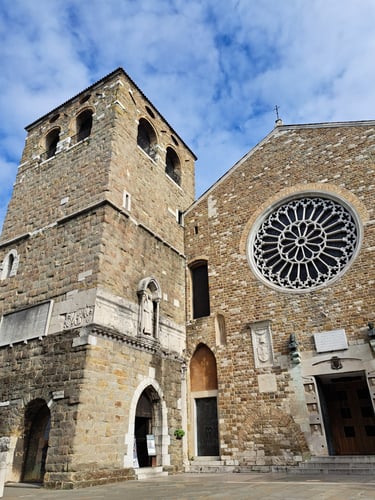
Trieste surprised us with its elegance, its intellectual depth, and its relaxed rhythm.



Practical Tips for Travelers
Getting Around: Trieste’s city center is compact and walkable, especially areas like Borgo Teresiano, Piazza dell’Unità d’Italia, and the waterfront. For longer distances or trips to Miramare Castle, local buses are efficient and easy to use.
Coffee Culture: Trieste has its own coffee language. Ordering a “nero” gets you an espresso, while a “capo” is similar to a macchiato. Standing at the bar is common and cheaper than sitting at a table.
Best Time to Visit: Spring and early autumn are ideal, with mild weather and fewer crowds. Be prepared for the Bora, Trieste’s famous strong wind, especially in winter—warm layers help.
Food & Dining: Trieste’s cuisine blends Italian and Central European influences. Try local dishes, seafood from the Adriatic, and Viennese-style desserts.
Day Trips: Consider short excursions to Miramare Castle, the Karst Plateau, or nearby Duino for coastal walks like the Sentiero Rilke.
Sunsets & Evenings: Don’t miss sunset at Molo Audace or an evening stroll around Piazza dell’Unità d’Italia, when the city feels especially atmospheric.